RIIWHS202E & RIIWHS204E
WORKING AT HEIGHTS + CONFINED SPACES
$400
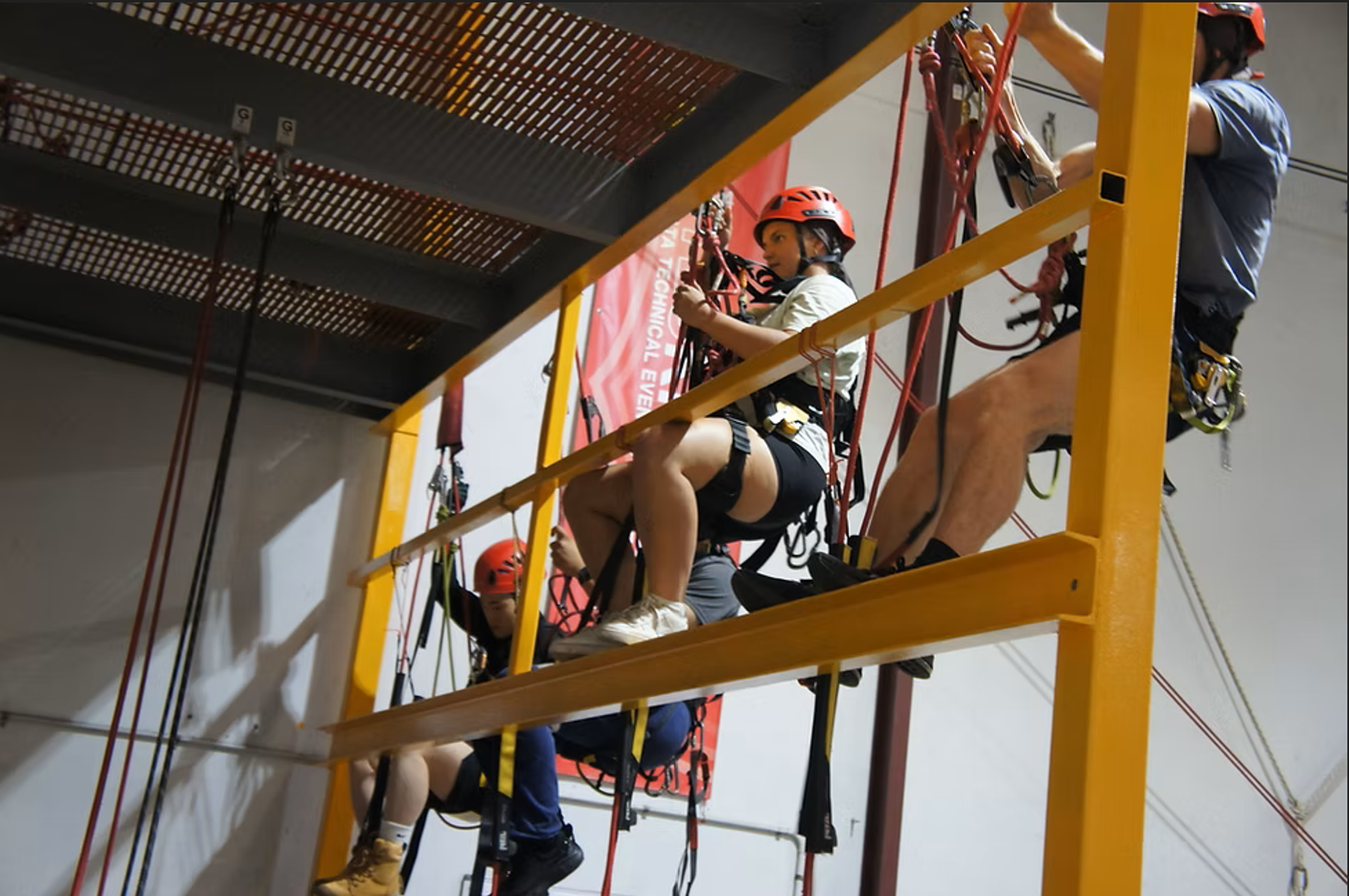
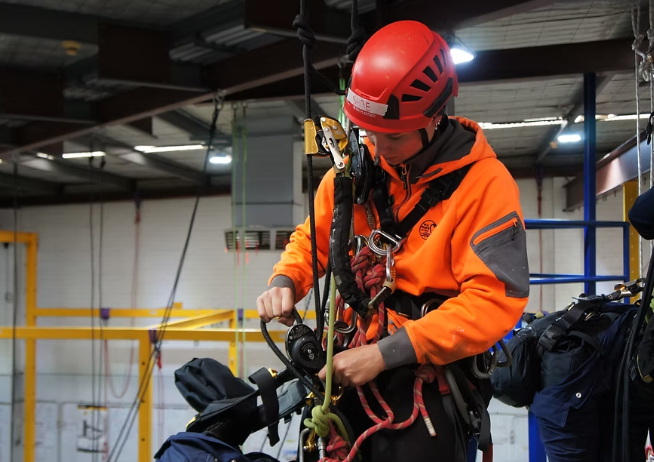
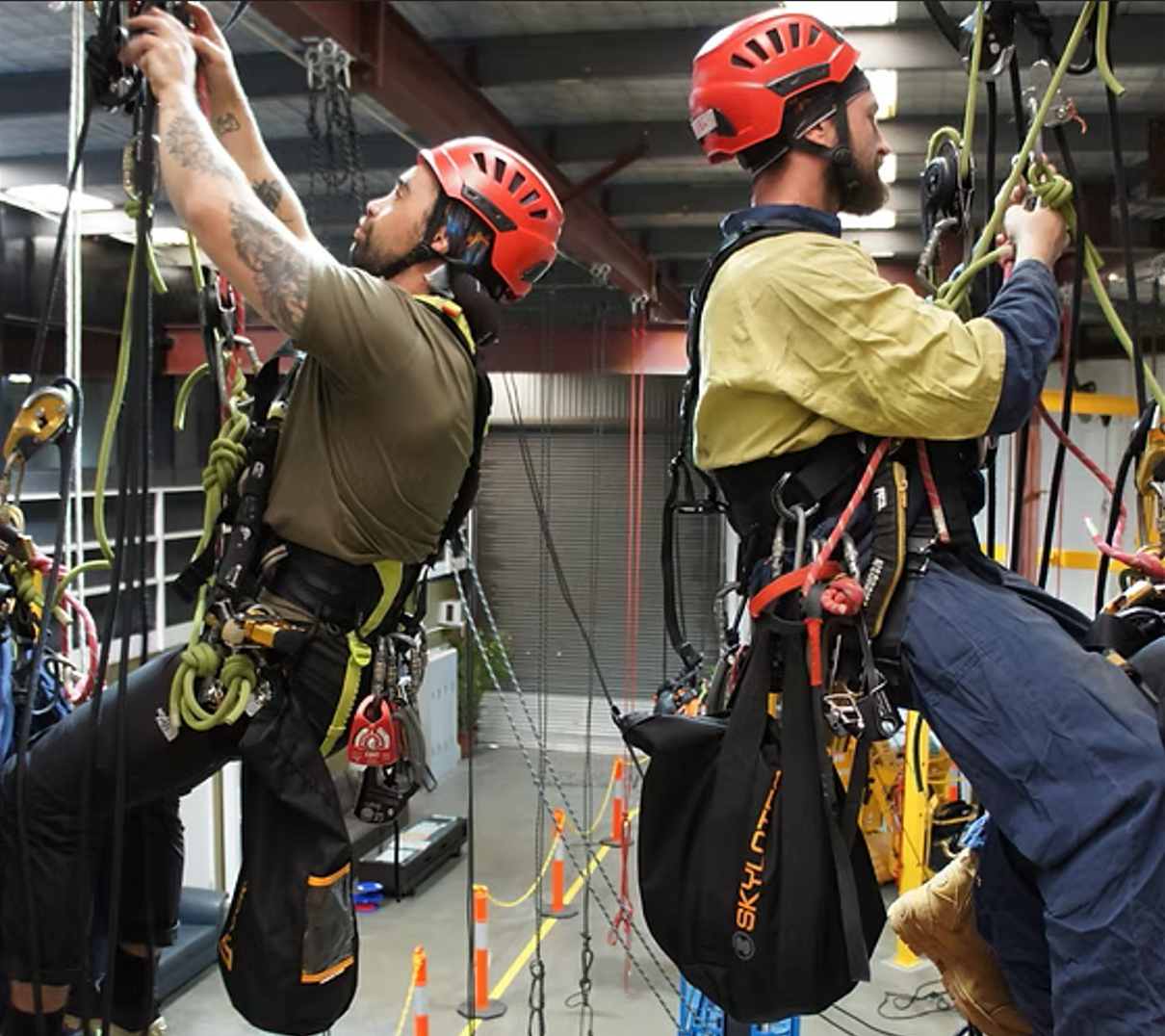
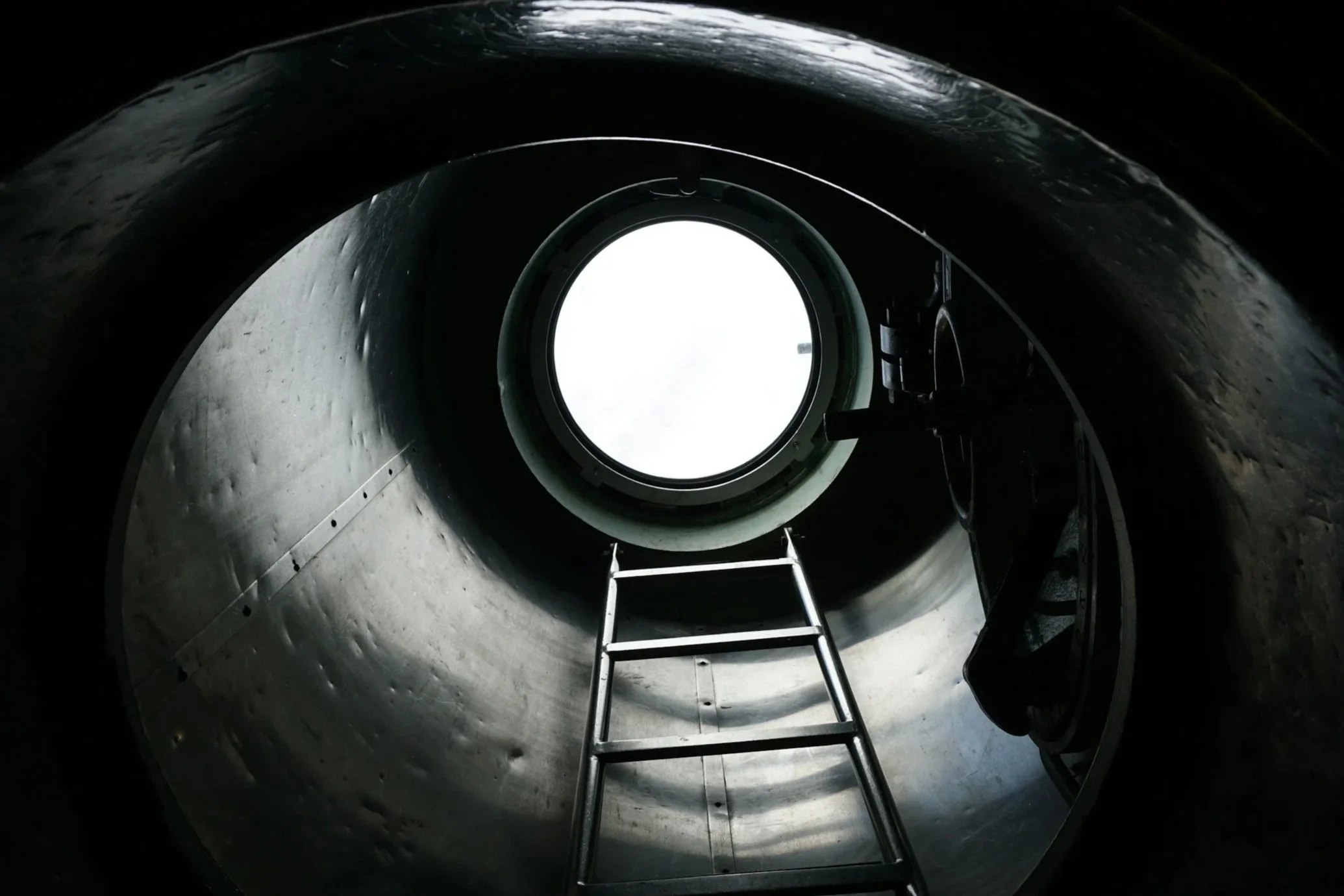
This nationally recognised course set combines RIIWHS202E – Enter and Work in Confined Spaces and RIIWHS204E – Work Safely at Heights, designed for individuals working in high-risk operational environments across construction, mining, and industrial sectors.
This training is suitable for both new and experienced personnel who are required to safely enter confined spaces and perform work at heights, with a strong focus on hazard identification, risk control, and practical safety application.
Participants will develop the knowledge and hands-on skills required to work safely, comply with legislative requirements, and respond effectively in real-world scenarios.
This training is delivered in collaboration with Multiforce Rope Access
COURSE DETAILS
-
In this course, you will learn to:
Recognise and assess an emergency situation
Ensure safety for yourself, bystanders, and the casualty
Seek assistance from emergency services
Perform CPR following the latest Australian Resuscitation Council guidelines
Provide first aid in line with established principles
Manage and comfort the casualty, obtaining consent where possible
Use available first aid equipment safely and effectively
Monitor the casualty’s condition and respond appropriately
Accurately communicate incident details to emergency services
Complete workplace or site documentation and maintain confidentiality
Recognise psychological impacts on yourself and others and seek support if needed
Contribute to reviewing the first aid response when required
For more information please see below
https://inspiredsafety.trainingdesk.com.au/courses/hltaid011-provide-first-aid-100686
-
Delivery options available:
Face-to-Face: Minimum 2 days (approx. 12 hours total)
Blended (Online + Practical):
Online pre-course: 4–6 hours
Face-to-face practical: 1 day
Duration may vary depending on group size and experience.
-
Performance tasks:
Scenario 1 Work safely at height – brittle surface
Scenario 2 Work safely at height – flat surface
Documentation – The student must complete all documentation according to the required standard:
Equipment Fault Log
Theory assessment – A written assessment consisting of multiple-choice and short answer questions. The student must successfully complete all assessment questions.
-
An individual undertaking this course with Allens Training Pty Ltd will need to demonstrate the following to be eligible for entry:
An official form of photo identification (e.g., driver’s licence, passport, or student ID).
Psychological and physical capability to be able to meet the demands of the practical demonstrations for this course, such as the undertaking of the requirements to work safely at heights wearing appropriate PPE and using appropriate fall protection equipment. Participants will need sufficient physical ability to lift equipment infrequently from ground to overhead and access heights above 2m.
Protective slip resistant footwear/safety shoes and comfortable/practical clothing must be provided by the student and worn during the practical sessions and assessment.
To successfully complete this course, students will need to demonstrate the following language, literacy, numeracy and digital (LLND) skills during training and assessment:
Learning: Follow instructions, identify hazards, understand risk assessments, and ask for clarification when needed.
Reading: Read and interpret regulations, workplace procedures, signage, and operational instructions related to equipment use
Writing: Fill out forms, write short notes (such as field notes or incident reports), and clearly record key details from work tasks
Oral communication: Communicate clearly and listen carefully when receiving or giving instructions
Numeracy: Use numbers to support safe working operations, for example, measuring distances for scene setup, fall clearance, and interpreting equipment ratings
Digital Literacy: Able to use a mobile phone or basic device to read messages, follow online instructions, complete online forms or access learning resources
Online learning: Students must have basic digital literacy skills to navigate online platforms, complete assessments, and access course materials. Before enrolment, students should assess their ability to engage in online learning. Support is available where required. The online learning program can be found in the student portal. Students must have access to a computer, smart phone, tablet or other electronic device with access to the internet to complete the online studies and associated assessment tasks.
Delivery mode: Online with face-to-face The online pre-course learning and theory assessment is expected to take approximately 3.5 hours to complete. These timeframes are estimates. Individuals with prior experience in similar training may complete the online component in less time, while those new to the subject may need more time to complete all the learning content and theory questions.
-
This certificate does not require renewal
-
A PDF Statement of Attainment will be emailed on the same day as successful course completion, provided a verified USI is submitted and all assessments are completed.
Safe Work Australia recommends renewing CPR certification (HLTAID009) every 12 months, while the full HLTAID011 qualification is valid for 3 years.
Training and Assessment delivered on behalf of Allens Training RTO: 90909
-
HLTAID011 is suitable for both beginners and those with previous first aid experience who are comfortable learning through blended delivery.
-
Students are required to complete a self evaluation against the following core skills as part of the enrolment process.
This will allow your trainer to understand any additional support that may be required during the course delivery and assessment.
Learning
Can follow instructions, identify hazards, understand risk assessments, and ask for clarification when needed
Reading
Can read and interpret regulations, workplace procedures, signage, and operational instructions related to equipment use
Writing
Can fill out forms, write short notes (such as field notes or incident reports), and clearly record key details from work tasks
Oral CommunicationI can communicate clearly and listen carefully when receiving or giving instructions
Numeracy
Can use numbers to support safe working operations, for example, measuring distances for scene setup, fall clearance, and interpreting equipment ratings